Category
Bread, pizzas, rolls, and yeasted pies
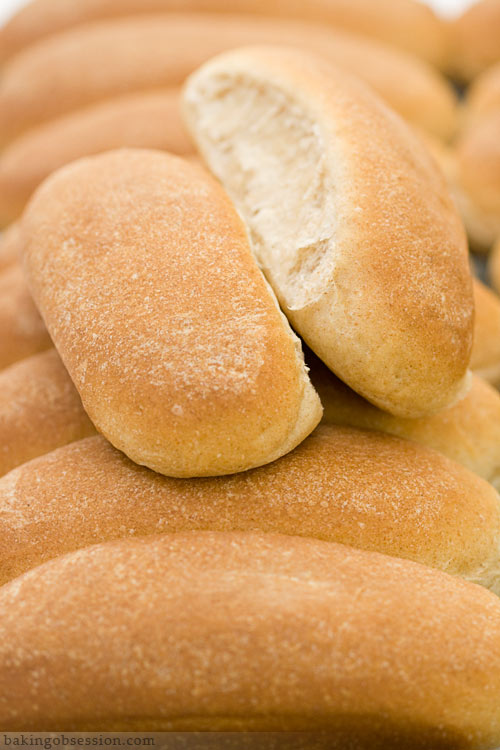
With the grilling season upon us, I thought I’d share this recipe, adapted from the Gourmet magazine. You might ask why trouble yourself with making such commonly-available thing as a hotdog bun, but you’ll understand it once you try this… Continue reading →
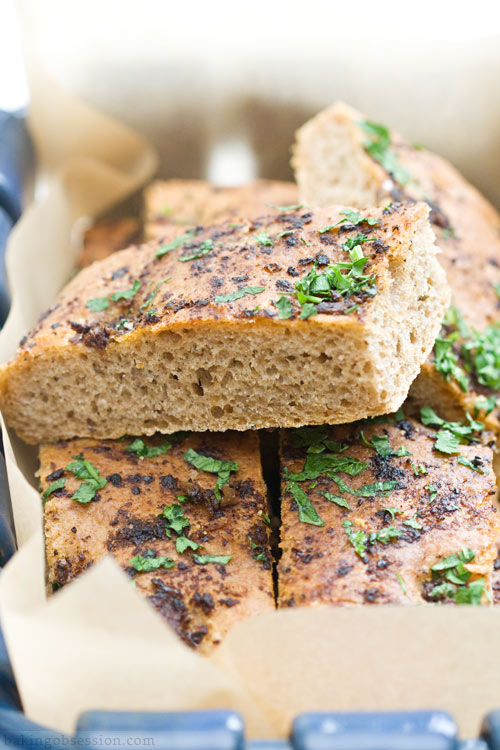
It makes really nice, earthy bread. This focaccia was inspired by Carol Field’s whole wheat focaccia.
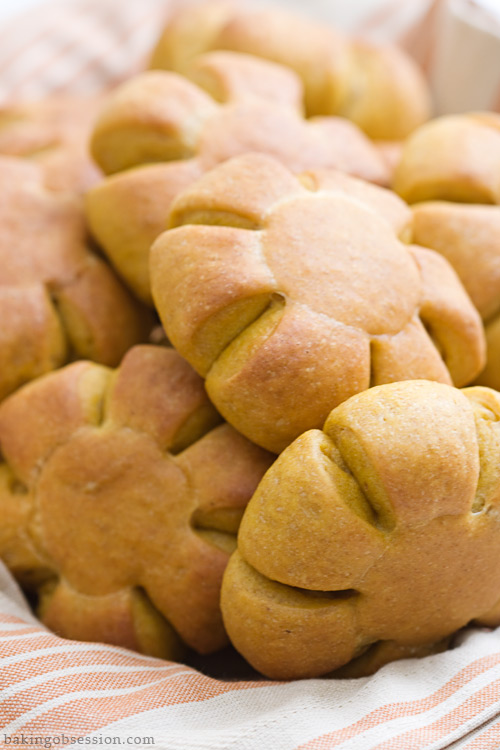
These are very cheesy and pumpkiny yellow. The rolls are excellent slightly warm with soup, although I like them best split and turned into turkey sandwiches.
This is another uncomplicated, but delicious bread. And how can this not be good with almost two pounds of onions slowly sautéed in butter as a topping?! I usually put the dough after its first rise in the fridge overnight…. Continue reading →
It’s all about good cheese accentuated with delicate flavor of fresh herbs. I wouldn’t add anything else to the topping. Obviously, it makes a great lunch paired with a big green salad.
I often make brioche dough on Friday, bake it fresh for Saturday breakfast, and turn the leftovers into some kind of bread pudding on Sunday – very little fuss, really, and a lot of appreciation from the family. The brioche… Continue reading →
There are always some plans for weekends, and cooking is seldom the first priority unless we are having people over. So, having pizza or filled focaccia on our weekend menu is a good choice since most of work – making… Continue reading →
Recently, a publisher sent me a copy of Andrew Whitley “Bread Matters” book and asked for a review if I find the book interesting enough. Now, let me jump right to the conclusion (I know, it would be more logical… Continue reading →
As soon as I read the tantalizing description of these bites in the “Gourmet” I rushed into the kitchen to make them. And I am glad I did! The recipe is adapted from Edward Lee
I have a weakness (one of many…) – Concord grapes. With their season so short, I tend to overeat them while they last until my tongue is numb and the throat is itchy. And when these symptoms of the overindulgence… Continue reading →
Haven’t we all tried tasteless extra-chewy bread sticks in restaurants and at parties? I’ve had my share. Without false modesty, I can assure you these twists are better. And the difference is called forth by a generous amount (and I… Continue reading →
It took me a lot of willpower to stop eating this bread. It was so good freshly baked, still a bit warm, eaten with fresh goat cheese, especially with the peppery one. The apricots I used were unattractive unsulfured organic… Continue reading →
My family loves pizza regardless of topping; as long as there’s a good crust and melted cheese on it. I am a bit pickier, but even I find this not-quite-traditional pizza to be delicious. The crust recipe I used here… Continue reading →
I could live on this… and some rosé. Famous French salty topping of sautéed onions, anchovies, and olives gets a little update with an addition of ripe cherry tomatoes. Their roasted sweetness balances perfectly such intensive saltiness of the gutsy… Continue reading →
There’s something savory for a change; something rustic and delicious in its best Italian simplicity. You can call it a filled focaccia or pie. But either way, the main point remains the same. There are two layers of soft yeasted… Continue reading →
October Daring Bakers’ challenge was pizza, to be precise – Peter Reinhart’s wonderful pizza crust. To make it challenging enough, we were supposed to master the tossing technique. Although, it is definitely fun and adrenalin-releasing experience I prefer to stretch… Continue reading →
This bread is traditionally made during spring as a welcome to returning sun at Macrina café in Seattle. Well, I baked it as a goodbye to the central star of the Solar System. Forecast doesn’t sound promising at all. Once… Continue reading →
I was feeling lazy today. It happens sometimes. To tell you the truth it strikes me far more often than I’d like. So, instead of cooking dinner I fried a big basket of bread sticks (they can be called that… Continue reading →